









The Acoustics of the Arghul: A Double-Pipe Flute
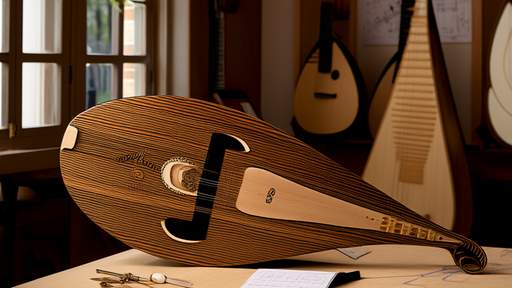
The haunting, reedy tones of the arghul, a traditional double-pipe reed instrument from Jordan, have echoed through the deserts and villages of the Middle East for centuries. Unlike its more widely recognized cousin, the mijwiz, the arghul possesses a distinct acoustic character due to its unique dual-pipe construction. One pipe serves as a drone, producing a continuous harmonic foundation, while the other delivers intricate melodic phrases. This interplay creates a rich, layered sound that has been integral to folk music, spiritual ceremonies, and communal celebrations across the Levant.

Lebanon Buzuk: Fine-Tuning the Long-Necked Lute
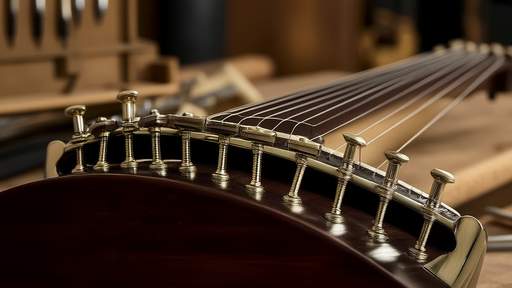
The buzuq, that long-necked lute so deeply ingrained in Levantine musical traditions, carries with it more than just melodies—it bears the weight of cultural refinement. In the narrow alleyways of Beirut's historic neighborhoods, where the scent of strong coffee mingles with the sound of distant traffic, one can still hear the buzuq's distinctive metallic twang drifting through open windows. This instrument, often overshadowed by its more famous cousin the oud in Western perceptions of Middle Eastern music, represents a particular Lebanese approach to sonic aesthetics—one that values subtle adjustments and microtonal precision.

Syrian Qanun: Weatherproofing Treatment for Sheep Intestine Strings
The art of crafting musical strings from sheep intestines, known as catgut, has been practiced for centuries across various cultures. In Syria, this tradition is deeply rooted in the country's rich musical heritage, particularly in the construction of instruments like the oud and qanun. The process of weatherproofing these delicate strings is both a science and an art, requiring meticulous attention to detail and an intimate understanding of natural materials.

Preventing Cracks in Coconut Shell Ukulele Bodies
The art of crafting musical instruments from coconut shells has a rich history in many tropical regions, but one of the most persistent challenges luthiers face is preventing cracks in the delicate shell. In Iraq, where traditional craftsmanship meets modern innovation, artisans have developed unique techniques to preserve the integrity of coconut-shell instrument bodies, particularly for instruments like the oud or qanun. The dry climate of the region poses a particular threat to organic materials, making the process of stabilizing coconut shells both an art and a science.

Iranian Santur: Arrangement of Rosewood Bridges
The santur, a traditional Persian hammered dulcimer, is renowned for its intricate construction and mesmerizing sound. Among its many components, the arrangement of the rosewood bridges (or "kharak" in Persian) plays a pivotal role in shaping the instrument's tonal quality and playability. These bridges, meticulously placed along the soundboard, are not merely functional but also reflect centuries of acoustic refinement and cultural artistry.
Afghan Rubab: Oil-Soaked Walnut Soundbox
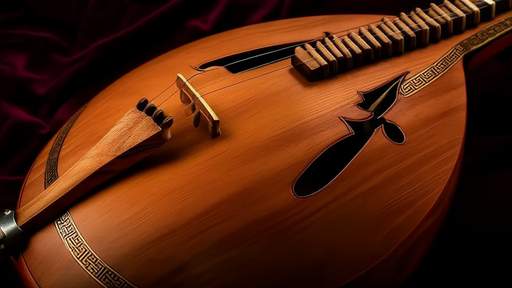
The Afghan rubab, often called the "lion of instruments," carries centuries of musical tradition in its resonant wooden body. Among luthiers and players alike, the treatment of the rubab's walnut wood body remains a subject of deep discussion, particularly when it comes to the ancient practice of oil immersion. This traditional method of wood conditioning goes far beyond simple preservation—it shapes the very voice of the instrument.

Pakistani Algozá: Symmetry of the Double-Pipe Flute
The haunting melody of the algoza, Pakistan's traditional double-flute, carries within it centuries of cultural resonance. Unlike single-pipe wind instruments, this twin-reed wonder produces a hypnotic interplay of harmonies, its very structure embodying a profound philosophical and aesthetic symmetry. To encounter the algoza is to witness sound made visible – two parallel bamboo shafts, bound yet independent, breathing as one.

Ektara: Dried Gourd Resonator of Bangladesh
The ektara, a traditional one-stringed instrument deeply rooted in the folk music of Bangladesh, carries a simplicity that belies the complexity of its craftsmanship. At its heart lies the gourd resonator, a natural amplifier that shapes the instrument's distinctive sound. The drying process of this gourd is not merely a step in construction but a ritual that bridges nature and music, demanding patience, knowledge, and an intimate understanding of materials.
Sri Lanka: Alternatives to Ivory Ban
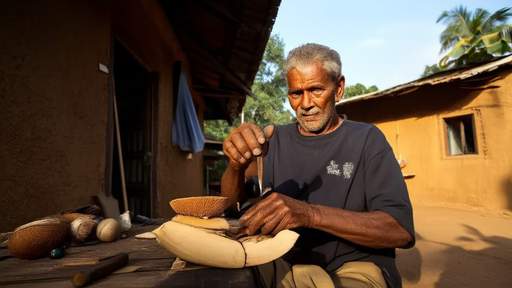
The ban on ivory trade has left a significant void in Sri Lanka’s traditional craftsmanship, particularly in the small village of Horanawa. For generations, the artisans here have relied on ivory as their primary medium, creating intricate carvings that were not just art but also a vital part of the local economy. With the global crackdown on ivory to protect elephant populations, these craftsmen have been forced to adapt, seeking alternative materials that can sustain their livelihoods while adhering to new environmental and legal standards.

Nepal Damaha: Adaptation to Heat and Humidity with Copper Bodies and Drum Skins
The damaha, a traditional Nepalese drum with its distinctive copper body and animal skin head, has long been a cornerstone of cultural and ceremonial music in the Himalayan region. Its unique construction, combining metal and organic materials, presents both challenges and advantages in the humid, subtropical climates where it is often played. Unlike many Western percussion instruments, the damaha thrives in environments where moisture and heat are ever-present, its materials adapting in ways that modern synthetics often fail to replicate.